
An illustrated talk by Gail Pittaway
11 September, Chartwell Room, Hamilton Gardens, 7 pm.
$5.00 entry fee (cash, please!)

At the beginning of the Second World War, Britain imported 60% of its food, much of it by ship. However, with a naval blockade by German warships, this traffic and the nourishment of the nation, were under severe threat. The government introduced a food rationing scheme in January 1940 to avoid the food shortages endured during the First World War.
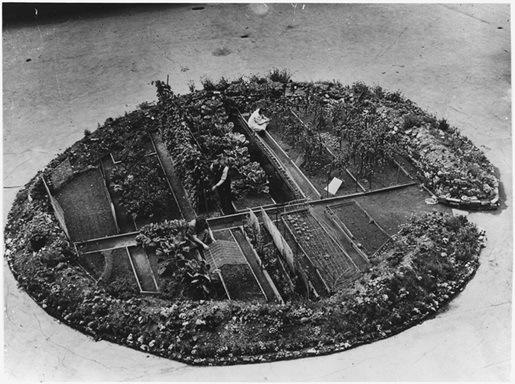
To support the food supply and supplement the increasingly strict rations, a ‘Dig for Victory’ campaign was launched by the Ministry of Agriculture in October 1939, encouraging families to grow and prepare their own food. Everyone was encouraged to turn their flower beds and lawns into vegetable gardens, ‘Victory gardens’. For this propaganda the Ministry even employed Disney cartoonists, who created such characters as Doctor Carrot and Potato Pete.
The Ministry of Food started publishing Food Facts pamphlets in 1940, and magazines, newspapers and daily radio programmes such as ‘The Kitchen Front’ and ‘the Radio Doctor’ were full of ideas and recipes to enable families to make the most of the weekly rations. One of the most significant contributors to this campaign was a New Zealander, Bee Nilson, whose efforts to encourage British householders to make the most of home-grown vegetables to make nourishing meals, despite the privations of war, resulted in an overall improvement of health standards across the population. ‘Rationing enabled the poorest sections of society to eat more protein and vitamins, which led to a substantial upturn in the health of the nation’. (Imperial War Museum)
Gail Pittaway is a writer and lecturer, now part-time, at Wintec, Hamilton, whose research interests include literature, food history, New Zealand cookbooks and garden design. This talk arises from her recently submitted PhD Thesis, A New Zealand Food Memoir, tracing a personal journey through food changes in the middle of the twentieth century. In this research she ‘discovered’ the work of Bee Nilson whom she considers an unacknowledged New Zealand food hero.
 The Garden History Research Foundation