
Dr Garritt (Chip) Van Dyk – University of Waikato
24 September 2026, 6.30-7.30 p.m.
The Pīwakawaka Room @ Hamilton Gardens (suggested donation: $10 waged; $5 unwaged)
From the seventeenth century, pineapples were a sought-after status symbol in Europe. Imported from the tropics, a single specimen was worth more than a thousand pounds, while less affluent customers rented them by the night as decorations. With its golden spiky crown and unique aroma, the pineapple was a rare and exotic novelty.
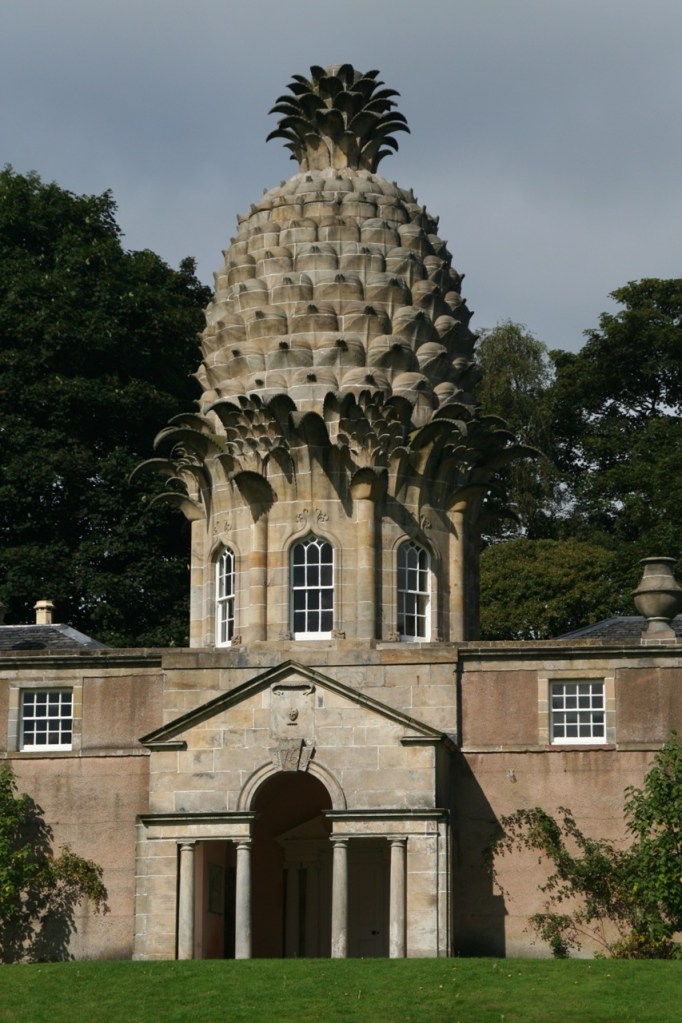
Initial attempts to grow the new fruit in temperate climates were not successful because pineapples require very warm temperatures to thrive and do not tolerate frost. Gardeners raced to recreate this environment and claim the prestige of being the first to propagate them in Europe. A pineapple growing mania followed, making hothouses and specialist gardeners the ultimate markers of conspicuous consumption.
Join us for a history of pineapples, hothouses, and the cultivation of luxury in the early modern garden.
Dr Garritt (Chip) Van Dyk is a senior lecturer in history at the University of Waikato. His research interests include botanical imperialism, food history, and patterns of consumption in early modern Europe. He is a recipient of the Sophie Coe Prize for writing in food history, and the author of Commerce, Food, and Identity in Seventeenth-Century England and France: Across the Channel. He is a regular contributor to The Conversation.


