
Pania Mu, Research Associate, Institute of East Asian Art History, Heidelberg University
30 November 2026, 6.00-7.30 p.m.
Tui Room @ Hamilton Gardens (suggested donation: $10 waged; $5 unwaged)
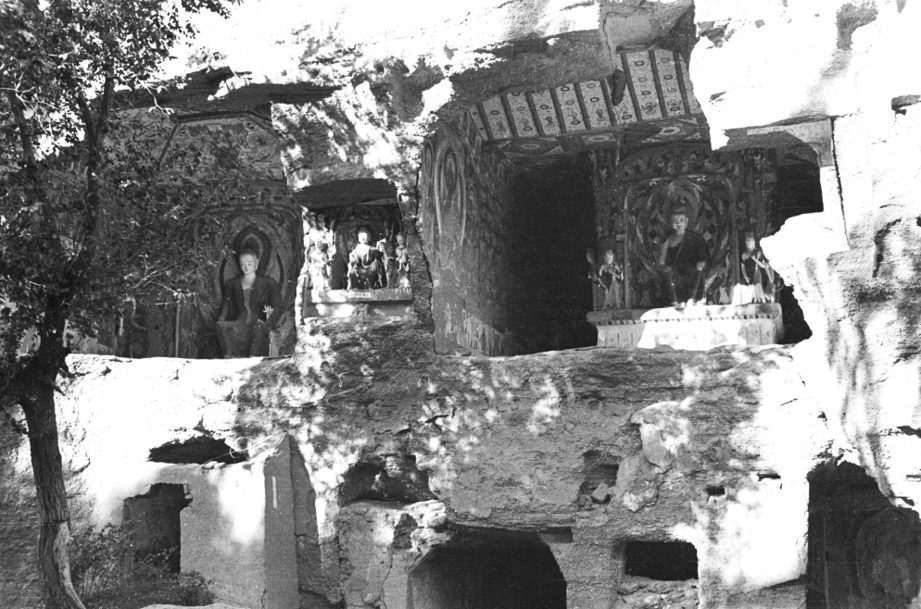
This talk explores how new technology in the form of historical spatial models can assist in reconstructing architectural histories from fragmented textual, pictorial, and archaeological remains. It first examines the transformation of Suzhou’s Yuan dynasty Buddhist temples (12th–13th CE) into Ming dynasty literati gardens (14th–16th CE). Using H-GIS, architectural and hydraulic modelling, the study reveals how monastic estates with established waterways provided the infrastructure for classical Chinese gardens such as the Unsuccessful Politician’s Garden. It then turns to Mogao caves in Dunhuang on the Silk Roads, where 3D models integrate architecture, sculptural, and mural programmes, and quantitative typological analysis investigates the role of Mogao caves on the Silk Roads before and after eighth century. Transversing from hydraulic landscape of late imperial south China to the arid desert environment of medieval, the lecture shows how co-shared architectural methods can advance Sinology through spatial and quantitative approaches.
Dr Pania Mu is an art and architectural historian based in Berlin, Germany. Her book From Temples to Garden Estates and Academies, published by Routledge Press in 2025, investigates the socio-hydraulic transformation of Suzhou gardens in late imperial China. Her recent research examines Dunhuang Buddhist architecture in Medieval China and the transition of Silk Roads reconfiguration.


