
by Alice Lloyd-Fitt
The New Zealand and South Seas International Exhibition was a major World’s Fair held in Dunedin, New Zealand, from 17 November 1925 to 1 May 1926, a total of 24 weeks.
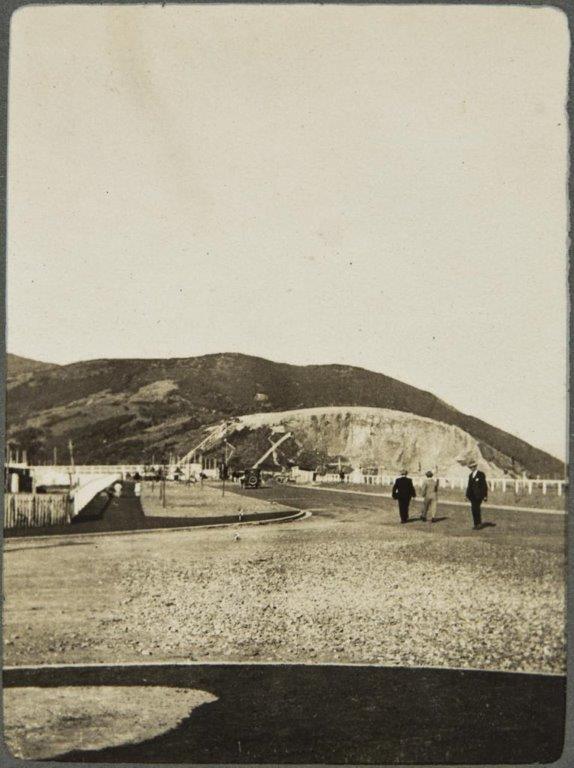
It was a massive event that drew over three million visitors, which was more than double the country’s population at the time. The event was held on 16 acres (6.5 hectares) of reclaimed land at Logan Park, near the University of Otago, and promoted by the Otago Expansion League to boost economic and population growth in the region. The exhibition featured seven main pavilions, with industrial and government displays from Great Britain, Canada, Australia, Fiji and New Zealand, while Otago had several displays, There was the Festival Hall, a Grand Dome, an art gallery, a fernery, an aquarium, sports grounds, and a popular amusement area.
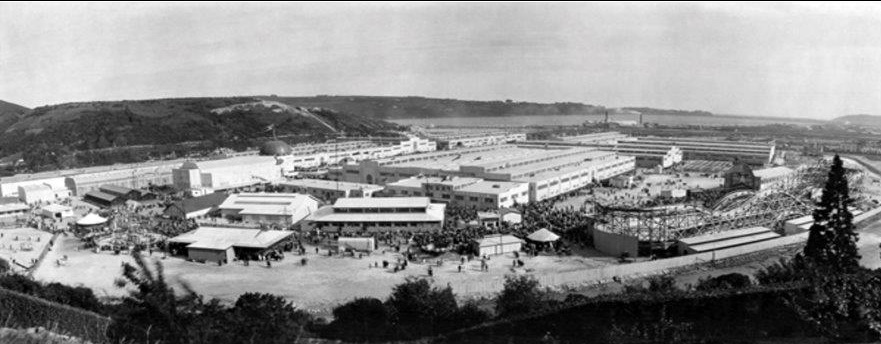
Along with agricultural, horticultural, educational and tourism displays, there were experimental plots from the Department of Agriculture.
The task of the laying out the gardens and organising displays was massive. This work was undertaken and overseen by David Tannock (1873-1952), the Superintendent of Reserves at the Dunedin City Council. This role also included being in charge of the Dunedin Botanic Garden.
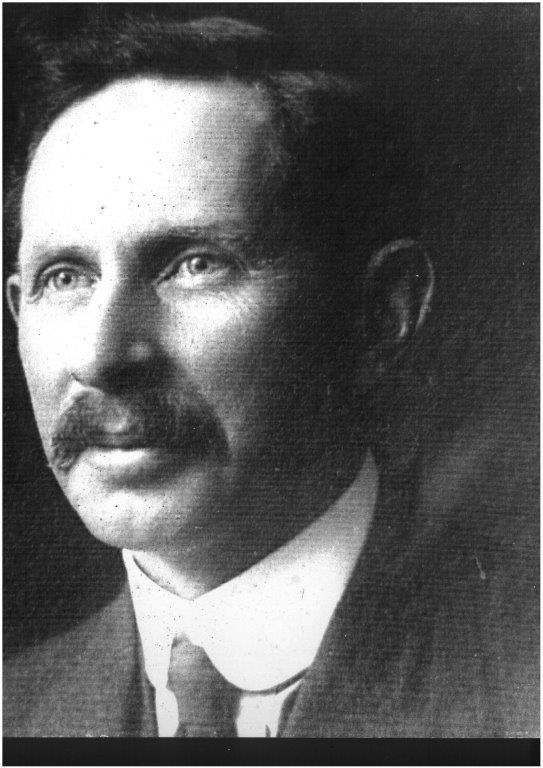
David Tannock, Superintendent of Reserves and Botanic Garden Curator 1903-1940: contribution to the exhibition.
David Tannock was chairman of the New Zealand and South Seas Exhibition Horticultural Committee and the Horticultural Week Committee.
Tannock originally proposed that the exhibition should be sited at the Dunedin Botanic Garden. His proposal suggested using the lower garden and the six-acre piece of land on the other side of Great King Street:
‘This would provide an ‘extensive, ample, and convenient site. The art gallery could be put on the big lawn near the Great King Street entrance. The hillside would do well for entertainments and the playing fields at Opoho for sports. The Gardens were already connected to sewerage, electric light, and water. It would save the Exhibition Company money as the gardens were already laid out. That there was a good band rotunda and viewing from the hillside.
To get visitors up the hill it was hoped to have the Opoho tram running and there was already a motor road with ample parking. Visitors could be taken up the hill by the hundred with travelling stairs or lift. A simple matter he claimed. (we still don’t have any such thing)
The gardens could stay open during construction and only be closed to the general public during the exhibition. That the Glasgow exhibition was held at Kelvi Grove park and the Auckland exhibition at the Domain. (DCC Archives)
Given the numbers that attended the exhibition, maybe it was not such a bad idea to not accept this proposal. This obviously didn’t put Tannock off as he, the Dunedin City Council and Dunedin Botanic Garden, contributed a huge amount to the exhibition.
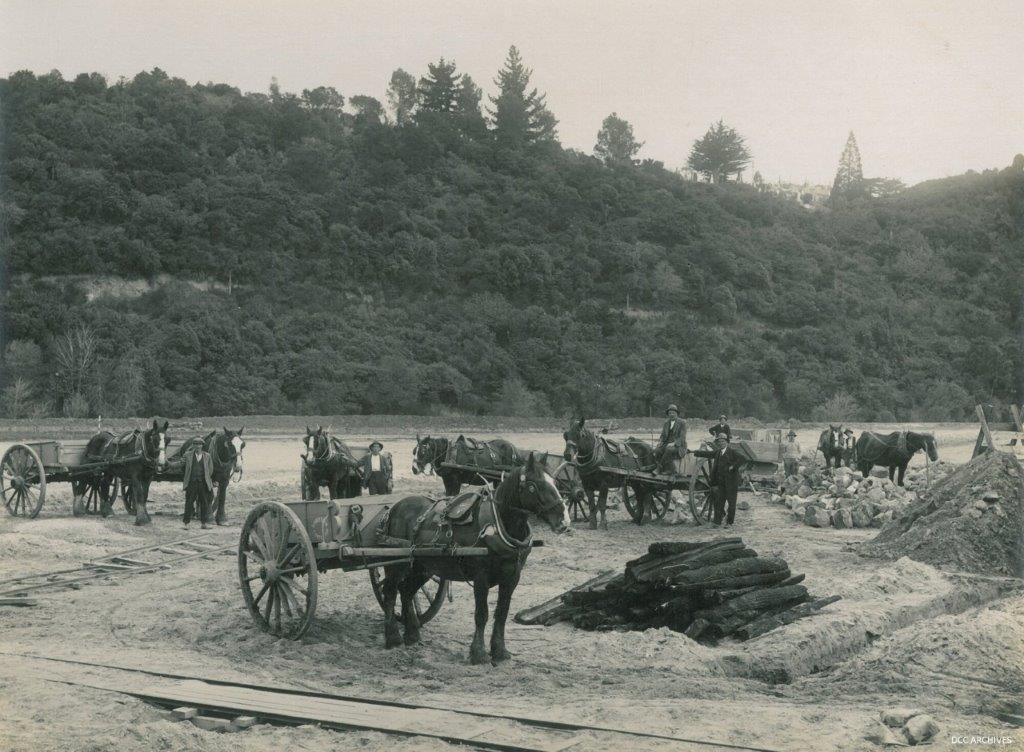
Growing the plants for the exhibition.
By late 1924 the exhibition directors had approved the Botanic Garden raising most of the plants required for the gardening decorations. Approximately 80,000 annual and herbaceous plants and 2,350 shrubs and trees were grown at the Dunedin Botanic Garden for the exhibition.
With the added production of plants for the exhibition, two new propagating houses were built and the potting shed expanded. An unseen advantage was that David Tannock took the opportunity of employing women to help with extra workload. Mary Watt, an experienced gardener from the UK, was taken especially for the propagation of plants for the exhibition.
As they had no way of employing women, Tannock took her on as an apprentice on the 3rd year scale. Miss Watt had contacted David Tannock late in 1924 asking for work. She was offered an apprentice to help.
As well as landscaping there was a fernery with 50 different native ferns and alpine plants. An expedition to the Garvie mountains by Tannock and others brought back over 120 species of native alpine plants for a display at the exhibition. This showed Tannock’s enthusiasm for native plants and the development of a significant native plant collection. Indeed, Tannock later wrote a book on how to make rock gardens in New Zealand using native plants.
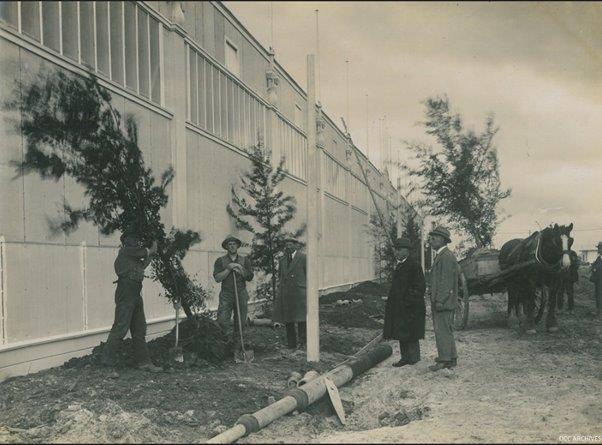
In reports to the Exhibition committee in the middle of 1925, Tannock reported ‘That the planting of specimen trees was well under way and a large number of flowers are to be planted and that the display would be a very fine one and there would be a display of flowers at opening and right though’. (DCC Archives)
Tannock also proposed that special tree planting day should be arranged, on Arbor Day. The trees could be sourced from the city and planted in positions where they would be permanent.
Horticultural Week
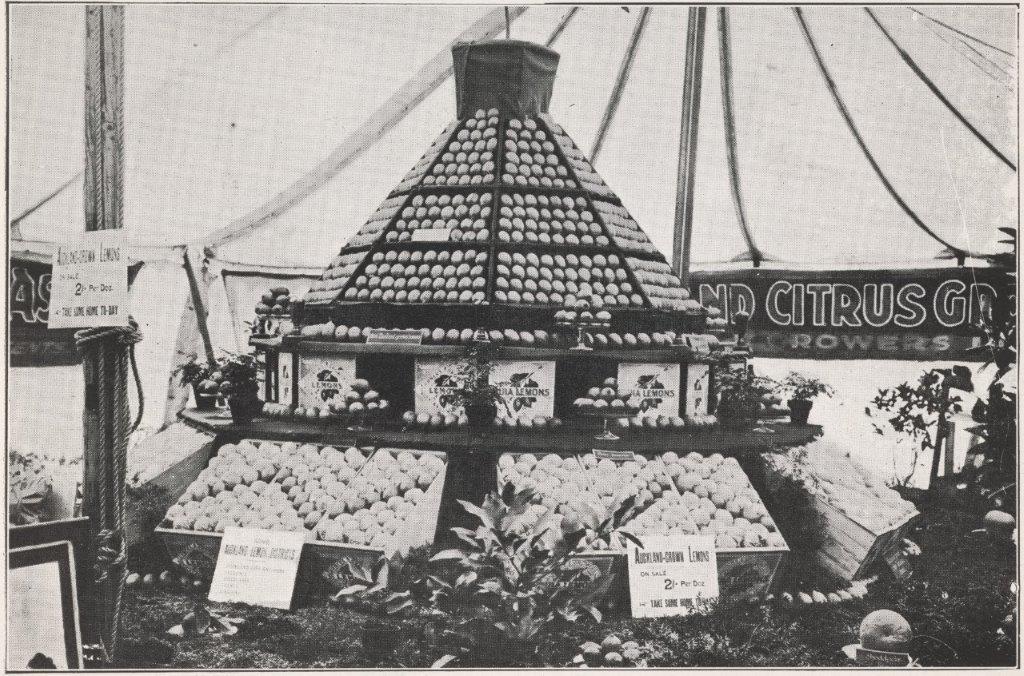
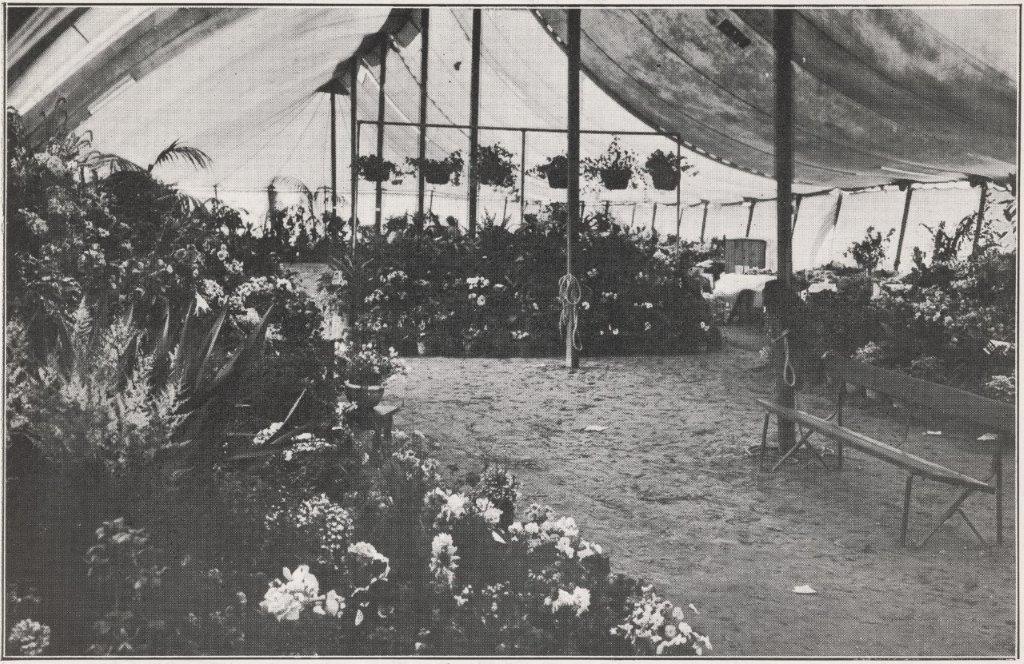
With The Dunedin Horticultural Society, David Tannock proposed that a horticulture week be held in association with exhibition. The week consisted of the conferences for three horticultural groups, the Royal New Zealand Institute of Horticulture, the Nurserymen’s association, and parks curators. A series of lectures and a three-day flower show followed.
Three large tents were on the site of the sports ground and attracted exhibitors from both the North and South islands. There were displays from Auckland citrus growers and Otago Fruit growers.
At the end of the exhibition the area was given over to developing sports grounds and the art gallery. Avenues of trees were planted on the drive made to the art gallery.
Botanic Garden Legacy from the Exhibition.
With the pressure put on the Dunedin Botanic Garden to produce the plants, Tannock used this to have some of the features from the Exhibition allocated to the Garden.
To this day there are still a few features at the Dunedin Botanic Garden inherited from the Exhibition.
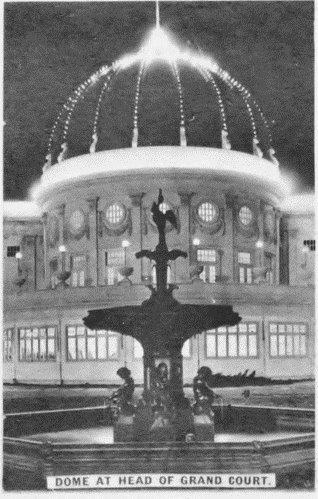
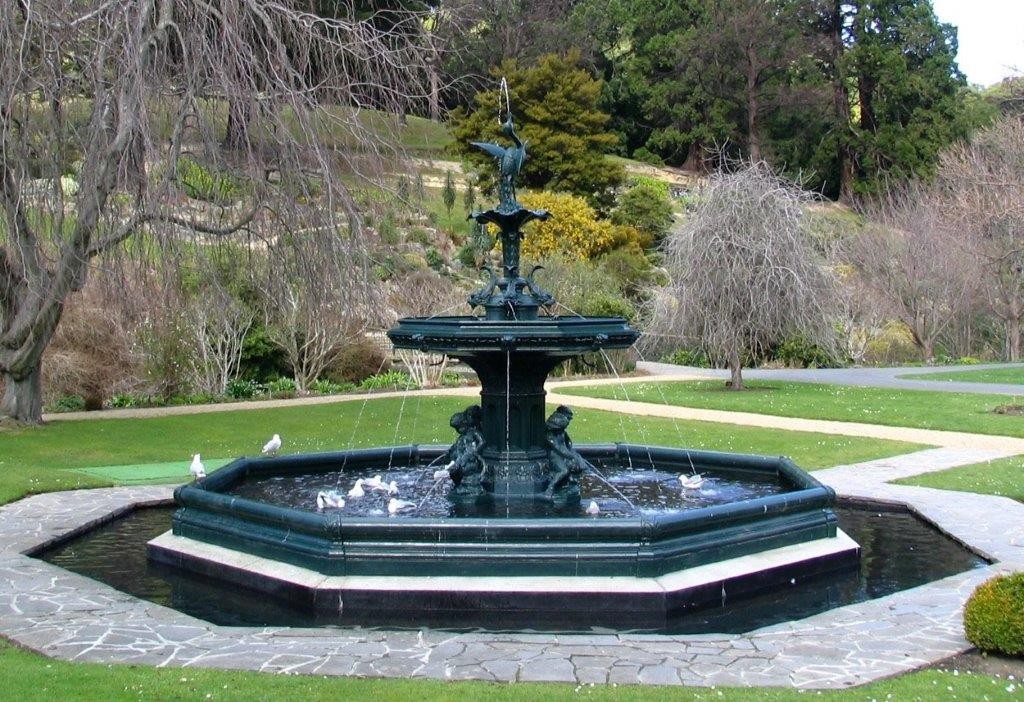
The main feature was the Woolf Harris Fountain, the ornate Victorian-style fountain in the Lower Garden near the Herbaceous borders. The fountain, donated by Woolf Harris, was originally sited at Queens Gardens, but was removed to make way for the cenotaph. After a few years in storage, it was used as a centre piece for the main pavilion of the Exhibition before coming to the Garden.
The James Stewart sundial in the same area by the Knot Garden also came from the exhibition, along with 160 seats that were placed above the rock garden.
In addition, James Stewart had a display in the Southland Court which later in the Exhibition got moved to the Education Court (where a sundial made by Arthur Beverley for the 1865 Exhibition was also on display, on loan from the Early Settlers’ Museum, now Toitū Settlers Museum).
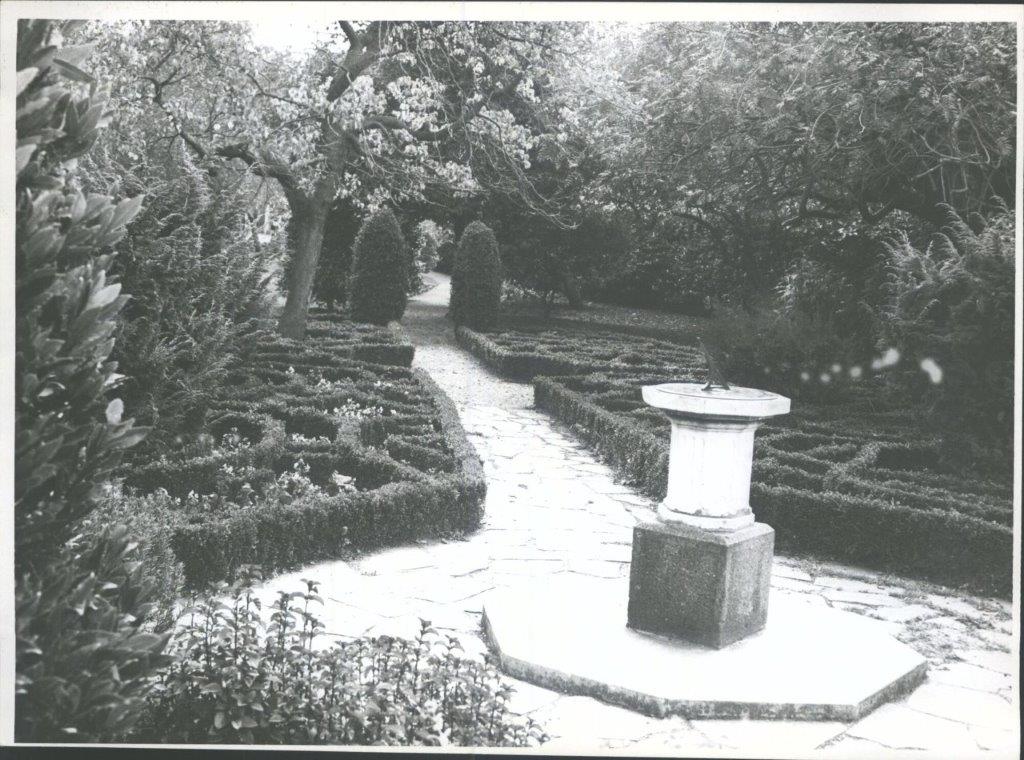
Legacy of the Exhibition in Dunedin Botanic Garden
There were several other buildings and features that are no longer here but were part of the garden for a long time.
The first restroom was organised by the Women’s Restroom and Creche Committee for the 1925-26 New Zealand & South Seas Exhibition, held in Dunedin. The restroom was placed near the fun park section and provided a welcome space for women and children while visiting the Exhibition. When the Exhibition was dismantled in 1926, the Women’s Committee donated the restroom to the city and it was placed in the Botanic Gardens.
All these services were paid for and run by the Women’s Restroom Committee, which also paid attendants wages, supplied uniforms for them and provided all the furniture in them. Dunedin City Council funded them annually and assisted in securing sites. (Alison Breese.)
A 1930 report outlined the services they provided.
The building from the exhibition was moved to the lower garden near the entrance way.
The Fernery at the exhibition recreated a New Zealand bush gully and included a stream and waterfall. It contained about 50 species of New Zealand ferns from the Dunedin area and many New Zealand alpines. It was about 100 ft x 60 ft in 3 spans.
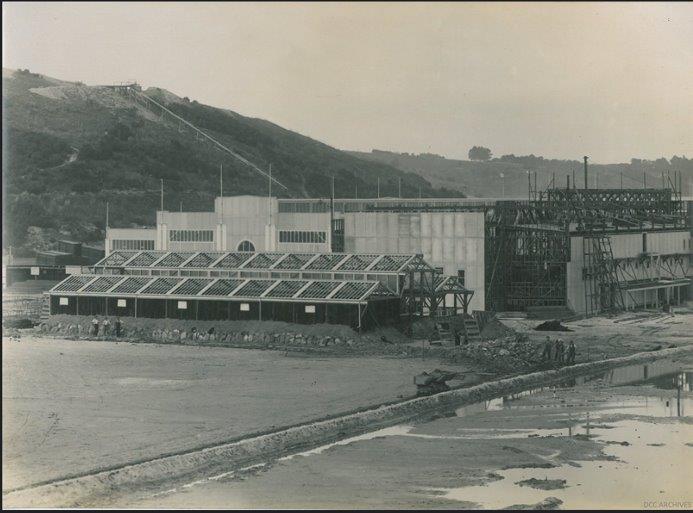
After the exhibition the Fernery was re-erected at the back of the Dunedin Botanic Garden’s winter garden. This came with fish tanks and glazed lights from the Aquarium building. By securing the fernery from the exhibition, Tannock was able to change the current fernery into a greenhouse.
The fernery from the exhibition was damaged by a snowstorm in 1939, the Oregon (framing and beams) had deteriorated, and the fernery was rebuilt using macrocarpa and turned into a single span.
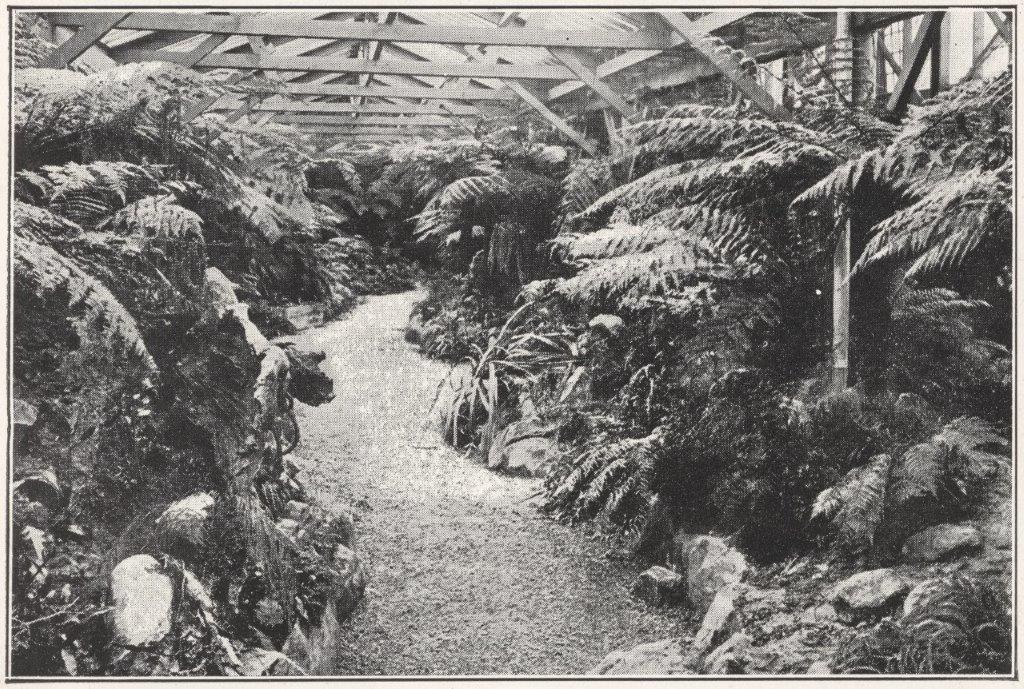
That, in turn, was replaced in 1962 with a building made of fiberglass, concrete and laminated wooden trusses. This building was demolished in 1989.
Playground equipment from the Exhibition was distributed around the city, with some coming to the Dunedin Botanic Garden. The playground was by the pond, then moved to behind the old aviary, and finally to its current site in late 1980s.
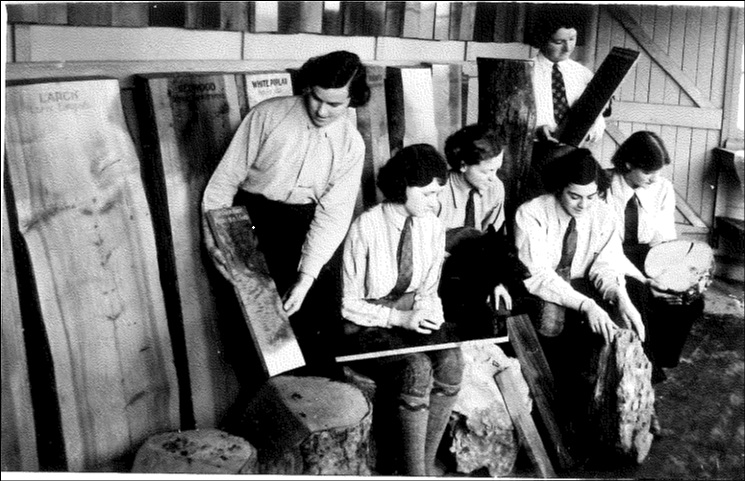
What became known as the Wood Museum at Dunedin Botanic Garden came from the Otago Court of the Exhibition. Slabs of timber were obtained locally to show the wide range of species that could be grown here. These samples became a teaching aid and were originally in the shed of the school garden, now the Azalea Garden, and then moved to another building in the 1930s.
Biography
Alice has worked in horticulture most of her life and became interested in garden history while working at Government House grounds in Epsom in the 1980s. She moved to Dunedin in 1990 and started work at the Dunedin Botanic Garden soon after. She has worked in several areas of the Dunedin Botanic Garden and has been in charge of the nursery and propagation since 2001.
Sources
- Hocken Collections – Uare Taoka o Hākena, University of Otago
- Dunedin City Archives
- The Story of the Dunedin Botanic Garden – Eric Dunlop
- Southern Gardening – Louise Shaw.
- Dunedin Botanic Garden Archives.
- Alison Breese-How Convenient are our Conveniences? The demise of the underground facilities in Dunedin 1910-1980s.


